
Introduction: Powering a Smarter, Greener Home with Energy-Efficient Appliances in 2026
Higher energy bills in 2026 make every kilowatt-hour count. Choosing energy-efficient appliances is one of the smartest home upgrades you can make. These modern machines cut your utility costs. They also reduce your home's carbon footprint. This guide will show you how to find savings, use smart technology, and claim rebates for a greener future.
Here's what we'll cover in this guide. Feel free to jump to any section. We'll break down everything. This includes reading energy labels and finding the best 2026 models for your home. You'll also learn about financial savings, smart technology, and valuable government incentives.
- What Makes an Appliance Energy Efficient?
- Reading ENERGY STAR & EnergyGuide Labels
- Calculating Your Real Financial Savings
- Environmental Benefits of Efficient Appliances
- Top Energy-Saving Kitchen Appliances
- High-Efficiency Washers and Dryers
- The Role of Smart Technology
- Finding Rebates and Tax Credits
What Are Energy-Efficient Appliances?
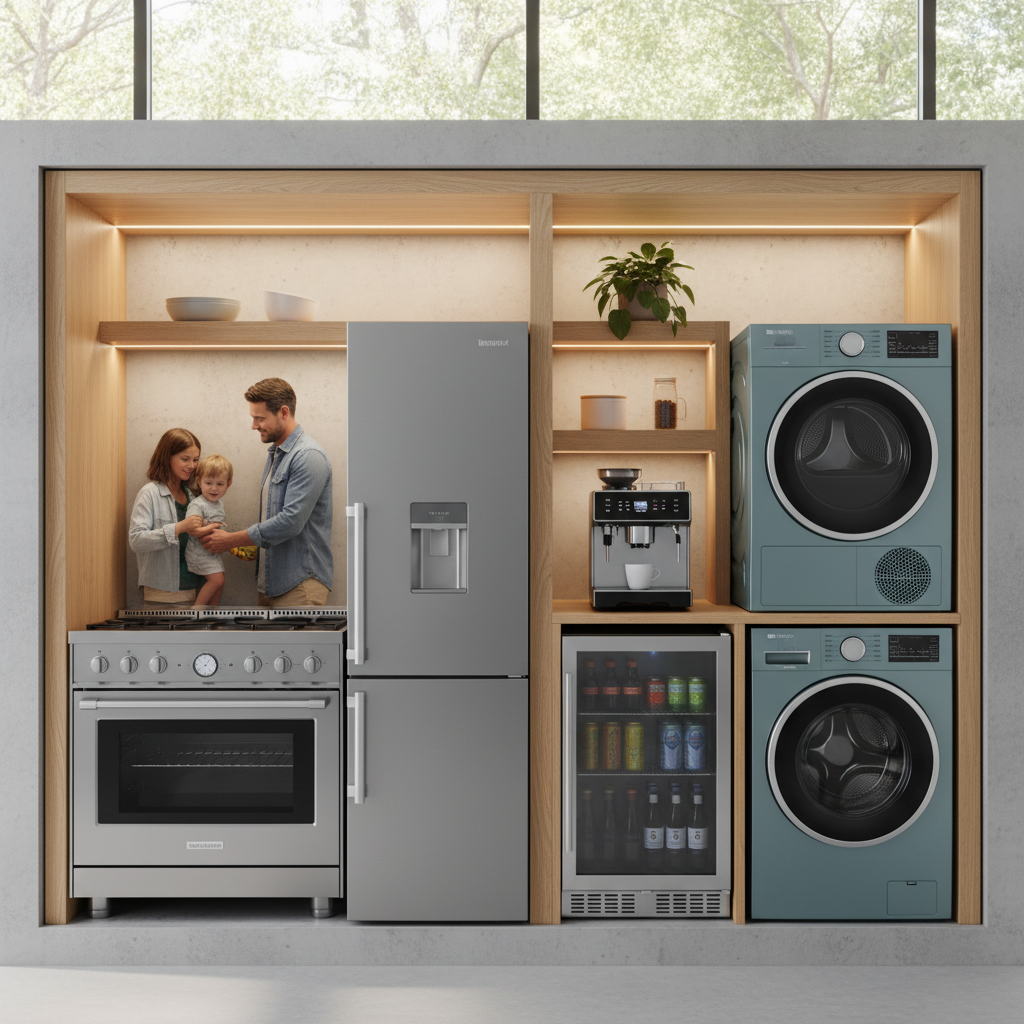
Energy-efficient appliances do their job using much less electricity. They are designed to work just as well—or even better—than standard models. This means your refrigerator cools food. Your dishwasher cleans dishes with less power. The main idea is simple: get the best performance while wasting minimal energy.
These devices perform well through smarter technology and design. For instance, an efficient refrigerator uses advanced compressors and better insulation. A modern washing machine may use sensors. These adjust water levels for each load. These changes mean lower energy use. You get clean clothes or cold drinks without high utility costs.
The ENERGY STAR label is the most recognized symbol for efficiency. This government-backed program is run by the U.S. Environmental Protection Agency (EPA). An appliance with this blue label meets strict energy performance rules. Choosing an ENERGY STAR model ensures you get a proven efficient product. It delivers quality and savings.
These appliances offer more than just lower electric bills. They use less power. This helps reduce demand on the electrical grid. It also lessens greenhouse gas emissions from power plants. The U.S. Department of Energy supports this goal. Choosing an efficient appliance is a smart investment. It helps your wallet and the environment.
Why Prioritize Energy-Efficient Appliances in 2026?
Choosing a new appliance involves more than just price and features. In 2026, energy efficiency is crucial for smart homeowners. Efficient models offer big long-term benefits for your wallet. They also help create a healthier planet. Plus, they can improve your home's comfort.
Lower Your Monthly Utility Bills
The most immediate benefit is lower energy bills. ENERGY STAR certified appliances use less energy. This saves you money every single month. Consider a common kitchen item: the refrigerator. An older model can use a lot of energy in your home, running 24/7.
Upgrading to an ENERGY STAR certified refrigerator can cut its energy use by about 15%. This is compared to a non-qualified model. Electricity costs continue to rise, according to recent data. Saving energy directly means keeping more cash in your pocket. Over an appliance's decade-long lifespan, these small savings add up to hundreds of dollars.
Washing machines offer another clear example of savings. A certified clothes washer uses roughly 25% less energy and 33% less water than a standard machine. The ENERGY STAR program estimates this can save a typical family over $370 during the machine's lifetime. The upfront cost might be slightly higher. However, the appliance often pays for itself through reduced operating expenses.
Reduce Your Environmental Impact
Your choice of appliances truly impacts the environment. Much electricity still comes from power plants that burn fossil fuels. Using less energy means fewer greenhouse gas emissions. A small change in your home makes a big collective difference. This supports a cleaner future.
The numbers are truly impressive. Imagine if every American household replaced their old refrigerator with a new ENERGY STAR model. The impact would be huge. This single action could prevent over 11 billion pounds of greenhouse gas emissions annually. That's like taking more than one million cars off the road.
Water conservation is another key environmental benefit. Many efficient appliances reduce water usage significantly. They do this without sacrificing performance. For example, an ENERGY STAR certified dishwasher can save an average of 3,870 gallons of water over its lifetime. This helps preserve a vital natural resource, especially in areas prone to drought.
Enjoy Better Performance and Comfort
Energy efficiency isn't just about saving resources. Modern efficient appliances often perform better. They are also more pleasant to live with. Many homeowners notice their new models run much quieter. This is due to advanced motor and compressor technology. A quiet dishwasher makes a big difference in an open-concept home.
These appliances are also gentler on your belongings. Heat pump dryers use lower temperatures to dry clothes effectively. This protects fabrics from damage. It also extends your wardrobe's life. Better insulation in modern refrigerators and freezers leads to more consistent temperatures. This keeps food fresh longer and reduces waste.
Key Types of Energy-Efficient Appliances for Your Home
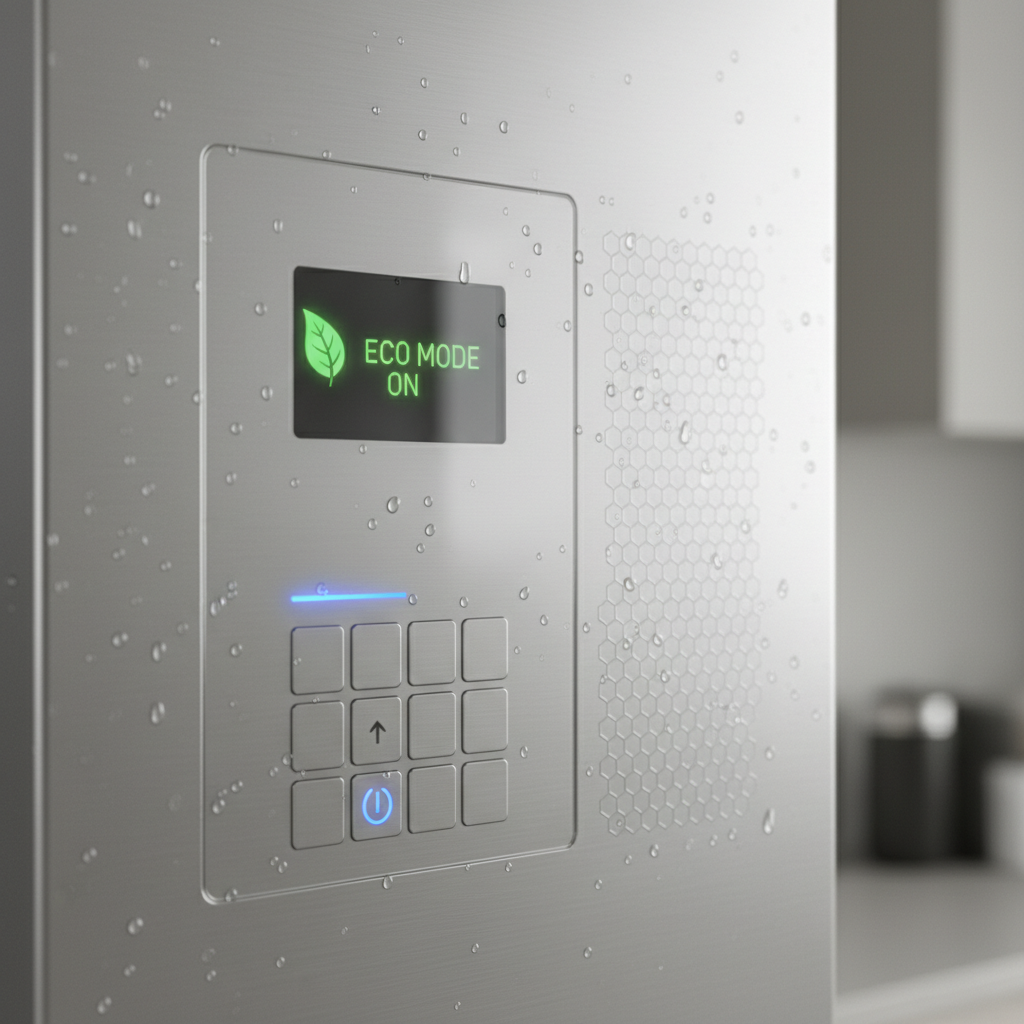
Upgrading home appliances offers a major chance for energy savings. Modern technology has transformed everything. This includes refrigerators and water heaters. These new models work better while using far less power. They lower your monthly utility bills. They also reduce your home's environmental impact.
Choosing the right appliance means understanding the features that matter most. Let's explore the key categories where efficiency makes a huge difference.
Energy-Efficient Refrigerators & Freezers
Your refrigerator runs 24 hours a day. This makes it a prime target for an efficiency upgrade. Modern refrigerators use advanced technology to keep food fresh with less energy. Innovations like variable-speed compressors are a game changer. These adjust their speed to match cooling needs. This provides stable temperatures and uses less electricity.
Better insulation also plays a crucial role. Many new models use vacuum-insulated panels. These are much thinner and more effective than traditional foam. This allows for more interior space without sacrificing performance.
ENERGY STAR certified refrigerators are about 9% more energy-efficient than basic models. When shopping, consider top-freezer or bottom-freezer units. They often outperform side-by-side units in energy tests. For help choosing the right fridge freezer, see our dedicated guide.
High-Efficiency Dishwashers
Hand-washing dishes is a thing of the past for efficient households. Today's high-efficiency dishwashers use surprisingly little water and electricity. They outperform even the most frugal hand-washer. A key feature is the soil sensor.
This technology detects how dirty dishes are. It then adjusts cycle time and water usage accordingly. You get a perfect clean. You also avoid wasting resources on lightly soiled loads.
Modern dishwashers also feature improved spray arm designs. They also have better water filtration systems. These innovations remove food particles more effectively. This means less water is needed per cycle. Look for models with an air-dry option.
This setting uses a fan. Or, it simply pops the door open after the cycle. It skips the energy-intensive heated drying phase. An ENERGY STAR certified dishwasher can save approximately 3,870 gallons of water over its lifespan. This is compared to older models.
Eco-Friendly Clothes Washers & Dryers
The laundry room is another area ripe for energy savings. High-efficiency front-loading washing machines lead the way in eco-friendly cleaning. They use a tumbling action instead of a central agitator. This requires much less water to saturate clothes.
This also means less energy is needed to heat the water. Their high-speed spin cycles extract more moisture. This significantly reduces the time clothes need in the dryer.
When it comes to dryers, heat pump technology is the most important advancement. Conventional dryers vent hot, moist air outside. Heat pump dryers use a closed-loop system instead. They dehumidify and recycle the warm air. This makes them incredibly efficient.
The Department of Energy reports some heat pump models can use 20–60% less energy than conventional dryers. Also, look for models with moisture sensors. These automatically end the cycle once clothes are dry. This prevents over-drying and wasted energy.
Efficient Cooking Appliances: Ovens, Ranges & Cooktops
Your choice of cooking appliance affects your energy bill. Induction cooktops stand out for performance and efficiency. They use magnetic fields to heat cookware directly. This leaves the cooktop surface cool.
This method is incredibly fast and responsive. More importantly, it is highly efficient. EPRI estimates induction transfers 85-90% of its energy to food. This compares to roughly 40% for gas. It's about 75% for electric coil cooktops.
For ovens, convection technology is the feature to look for. Convection ovens include a fan. This fan circulates hot air evenly. This lets you cook food up to 25% faster and at a lower temperature. This simple addition saves both time and electricity. It also provides better results while trimming energy use.
Advanced HVAC & Water Heating Solutions
Heating and cooling use the largest amount of energy in most homes. Modern heat pumps offer an all-in-one, high-efficiency solution. Instead of generating heat, they move it from one place to another. In winter, they pull heat from the outside air to warm your home.
In summer, they reverse the process to provide cooling. They move heat rather than create it. This makes them remarkably efficient. An air-source heat pump can cut your electricity use for heating by about 50%. This is compared to electric furnaces.
Tankless water heaters are another impactful upgrade. Traditional water heaters keep a large tank of water hot around the clock. This leads to standby heat loss. Tankless, or on-demand, models heat water instantly as you need it.
This eliminates wasted energy. It also provides an endless supply of hot water. The U.S. Department of Energy states they can be 24-34% more efficient than conventional storage tank water heaters.
Smart Small Appliances & Air Quality Systems
Efficiency improvements extend beyond major appliances. Smart thermostats are a simple but powerful tool for energy management. Devices like Nest and Ecobee learn your daily routines. They automatically adjust the temperature when you are away or asleep.
This optimizes comfort and savings. ENERGY STAR estimates homeowners can save around 8% annually on heating and cooling bills. This is by using a certified smart thermostat.
Air quality systems have also become more efficient. ENERGY STAR certified air purifiers and dehumidifiers operate effectively. They do this without running up your electricity bill. They are over 25% more energy-efficient than standard models. These smaller devices contribute to a healthier, more comfortable home. They do not cancel out your other appliance savings.
Decoding Energy Labels: How to Identify Energy-Efficient Appliances
Walking through an appliance aisle can feel overwhelming. You see rows of similar-looking machines. They are covered in stickers and tags. Two labels are your most powerful tools for smart shopping. These are the blue ENERGY STAR® logo and the yellow Energy Guide label. They provide clear, useful data. They help you see the appliance's true lifetime cost.
The ENERGY STAR Mark of Efficiency
Think of the blue ENERGY STAR logo as a seal of approval. It is a government-backed symbol for superior energy efficiency. This program is run by the U.S. Environmental Protection Agency (EPA). It sets strict performance standards. Appliances must meet these guidelines to earn certification. This marks them as among the most efficient in their class.
For example, an ENERGY STAR certified refrigerator is about 9% more energy-efficient. This is compared to a model meeting minimum federal standards. A certified clothes washer uses around 20% less energy and 30% less water. These standards are updated regularly. An appliance efficient in 2022 may not qualify for 2026 certification.
Always look for the blue logo. This ensures you get current, top-tier performance.
Breaking Down the Yellow EnergyGuide Label
Every new major appliance must display the black and yellow EnergyGuide label. This label doesn't say if a product is
About This Article
Editorial Disclosure: This article was researched and written by our content team to provide helpful, accurate information about energy efficient appliances. We regularly review and update our content to reflect the latest industry developments and best practices.
