
Introduction: Navigating the Market for Restaurant Dishwashers for Sale in 2026
Finding the perfect commercial dishwasher in 2026 is vital for any restaurant. This guide will help you select the best unit for your needs. We cover all the crucial factors for efficient operations. Many different restaurant dishwashers for sale exist, each catering to distinct needs and budgets. Understanding these types helps you choose the perfect fit for your establishment this year.
Undercounter Dishwashers: Compact Solutions for Smaller Venues
Undercounter dishwashers offer a compact and efficient solution for businesses with limited space. These units resemble residential models but are built for commercial demands. They easily fit beneath standard countertops, perfect for smaller kitchens. Many cafes, coffee shops, and bars often choose these models.
Their main benefit is their space-saving design and lower initial cost. They are also energy-efficient for lower washing volumes. These units consume less water per cycle than larger machines.
However, undercounter units have limited capacity. They usually wash one rack (20"x20") at a time. Cycle times range from two to four minutes, suitable for light to moderate use. These units are not ideal for operations with a constant, high volume of dirty dishes.
Moving beyond compact solutions, businesses with medium volume needs often look for more robust options.
Door-Type (Hood) Dishwashers: Versatility for Medium-Volume Operations
Door-type, or hood-type, dishwashers are a versatile option. They suit medium-sized restaurants and busy cafes. These freestanding units feature a hood that lifts up. This allows staff to easily slide in a rack of dirty dishes.
Once loaded, the hood lowers, and the wash cycle begins. This design offers a significant step up in both capacity and speed compared to undercounter models.
These machines are known for faster throughput. They often process 30 to 60 racks per hour. This speed suits establishments with consistent, but not overwhelming, dishwashing needs.
Door-type machines handle a wider variety of dishware. This includes plates, bowls, glasses, and smaller pots. Their ergonomic design also helps reduce staff strain. Racks slide in at a comfortable height for workers.
They are more expensive and space-intensive than undercounter units. However, they offer a balanced solution for many operations.
For establishments with even greater demands, powerful systems exist. They are designed for non-stop cleaning.
Conveyor and Rack-Type Dishwashers: High-Volume Powerhouses
For large-scale operations and continuous high-volume demands, conveyor and rack-type dishwashers are the ultimate choice. These industrial-grade systems optimize efficiency in busy environments. Dishes move automatically through various wash zones, using a conveyor belt or linked racks. This offers non-stop washing capability, essential for massive dining services.
These powerhouses deliver unparalleled capacity. They often exceed 200 racks per hour. Large hotels, university dining halls, hospitals, and catering companies rely on their speed. This ensures continuous operation.
They often feature multiple stages. These include pre-wash, main wash, rinse, and drying zones. This multi-stage process ensures consistent sanitation.
The initial investment and operational costs are significantly higher due to their size. However, their efficiency is indispensable for operations serving hundreds or thousands of meals daily. If your business requires top-tier restaurant dishwashers for sale, these conveyor models are definitely worth exploring.
Key Features and Cost Considerations for 2026: Finding the Right Restaurant Dishwashers for Sale
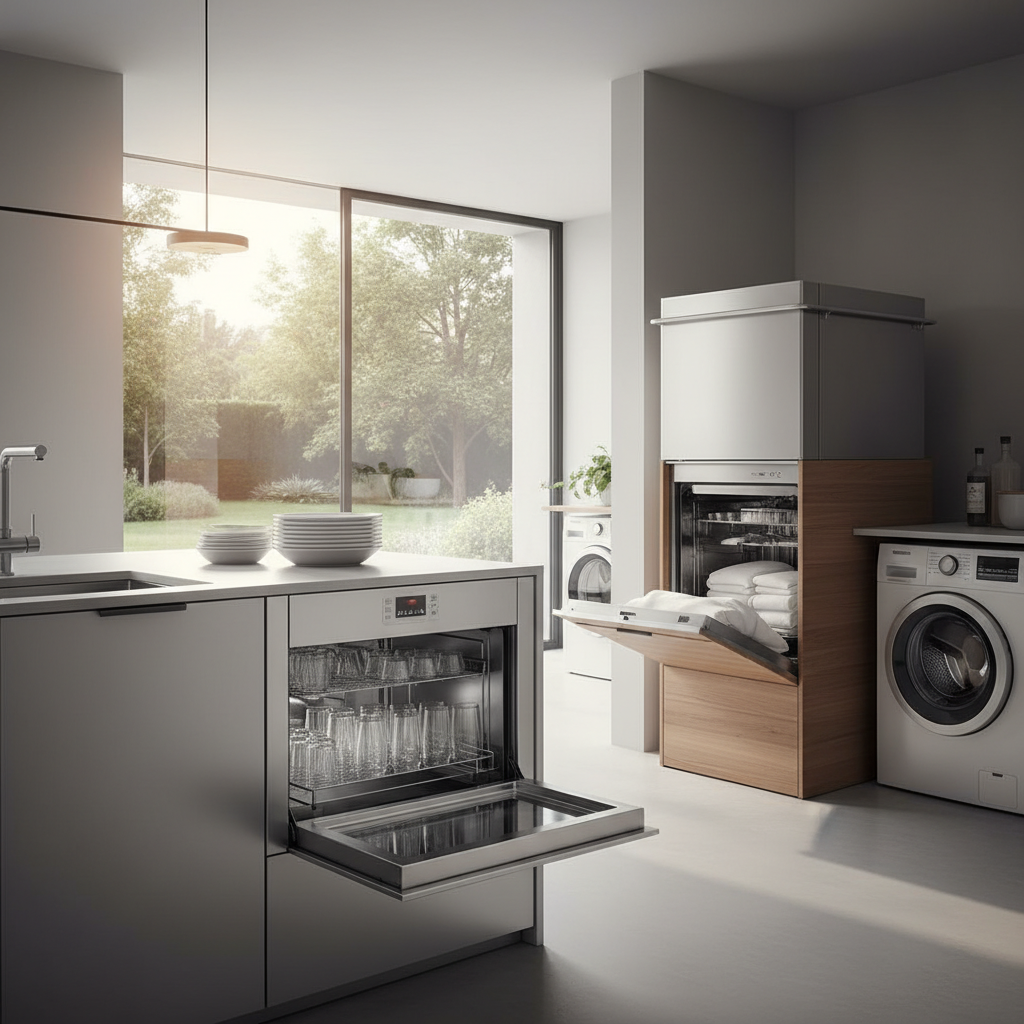
Choosing a commercial dishwasher involves more than just finding "restaurant dishwashers for sale." You need a machine that meets your operational needs and budget. This section explores crucial features and financial factors for your 2026 purchase. Considering these points ensures a smart investment for your restaurant.
A primary decision point for your new dishwasher relates to its sanitization method.
High-Temperature vs. Low-Temperature Sanitization: Understanding the Differences
Commercial dishwashers primarily use two sanitization methods: high-temperature or low-temperature. Both effectively clean dishes, but they differ significantly. Understanding these differences helps you comply with health codes and better manage costs.
High-temperature dishwashers use extremely hot water. Washing temperatures typically range between 150°F and 180°F, with a final rinse at 180°F to 195°F. This heat kills germs and sanitizes without chemical reliance. While they often require a booster heater (increasing energy consumption), they eliminate the need to purchase sanitizing chemicals.
Low-temperature dishwashers operate at cooler wash temperatures, around 120°F to 140°F. They rely on chemical sanitizers in the final rinse cycle. This method often uses less energy since it avoids booster heaters. However, you must consistently buy and manage chemical sanitizers. Health inspectors often verify chemical concentration levels, so proper dosing is vital.
Your local health department dictates specific sanitization standards. Both methods meet most health codes when operated correctly.
High-temp machines may have higher upfront energy costs due to heating water. Low-temp units, however, incur ongoing chemical expenses. These costs can certainly add up over time. Evaluate both options based on your utility rates and your chemical supplier costs.
Beyond sanitization methods, another significant factor for operational expenses is how efficiently your dishwasher uses resources.
Energy and Water Efficiency: Maximizing Savings for Your Business in 2026
Energy and water efficiency are critical considerations for restaurant operations in 2026. Efficient models significantly reduce your utility bills. They also lower your environmental footprint. The right dishwasher can yield substantial long-term savings.
Always look for ENERGY STAR certified commercial dishwashers. These models meet strict efficiency guidelines, set by the U.S. Environmental Protection Agency. Many ENERGY STAR dishwashers reduce water consumption by up to 14% and cut energy consumption by 25% compared to standard models. This translates to considerable savings on gas, electricity, and water bills.
Innovations in 2026 include advanced filtration systems. These systems extend water life within the machine. Heat recovery systems capture exhaust heat to pre-warm incoming water. These technologies further reduce the energy needed for heating.
Opting for a model with these features helps your bottom line. It also supports sustainability efforts. An efficient machine improves your restaurant's operational costs significantly. When looking at restaurant dishwashers for sale, efficiency is key to long-term savings.
Once you know what kind of efficiency you need, it's time to consider the machine's physical requirements and output.
Capacity, Throughput, and Essential Installation Requirements
Matching your dishwasher's capacity to your restaurant's needs is vital. Overbuying wastes money, while underbuying leads to bottlenecks during peak hours. Consider your average number of covers and your busiest service periods. A smaller undercounter model may suit a coffee shop, but a high-volume restaurant often needs a large conveyor or door-type machine.
Throughput is measured in racks per hour. Undercounter models typically process 20-30 racks per hour, while door-type machines handle 30-60 racks hourly. Conveyor systems can wash 200 or more racks per hour. Choose a machine that comfortably handles your peak demand to avoid staff waiting for cycles and slowing down service.
Installation requires careful planning. You need adequate plumbing for both hot and cold water lines. Proper drainage is also essential. Commercial dishwashers typically demand dedicated electrical circuits and specific voltage.
Many models even need a three-phase electrical supply. Always consult with a licensed plumber and electrician to ensure your kitchen can accommodate the chosen unit. Incorrect installation can void warranties or create safety hazards. Ultimately, selecting the right restaurant dishwashers for sale impacts your daily workflow.
Understanding the various models and features helps, but the financial aspect often seals the deal.
Understanding Pricing and Return on Investment (ROI) for Commercial Restaurant Dishwashers for Sale
The price of "restaurant dishwashers for sale" varies widely, depending on its type and features. For example, undercounter models often range from $3,000 to $8,000. Door-type dishwashers typically cost between $7,000 and $20,000, while large conveyor systems can exceed $30,000. Remember, these figures are approximate for April 2026 and can fluctuate.
Beyond the purchase price, several "hidden" costs exist. Installation requires professional help, potentially adding $500 to $2,000 depending on complexity. You will also need to budget for detergents, rinse aid, and sanitizers if using a low-temp machine. Plus, regular maintenance is a necessary expense, including descaling and parts replacement.
Calculating ROI helps justify your investment. Compare the higher upfront cost of an energy-efficient model against projected savings on utility bills and chemical purchases. For example, if an efficient model costs $2,000 more but saves $50 per month in utilities, your payback period is 40 months (about 3.3 years). After that, those savings become pure profit.
Consider the machine's lifespan, typically 7-10 years. This helps greatly when assessing its long-term value. A higher-priced, more efficient machine often delivers better ROI over its operational life.
Our Top Picks: Recommended Restaurant Dishwashers for Sale in 2026
Choosing the best commercial dishwasher is crucial for any restaurant operation. In 2026, kitchens demand efficiency and reliability above all else. We've carefully compiled a list of top-performing models. These selections address diverse operational needs and varying kitchen sizes.
Our recommendations include everything from compact undercounter units, ideal for small cafes. We also list powerful door-type dishwashers for high-volume establishments. We also consider conveyor systems known for their robust build and exceptional efficiency.
Each pick highlights specific benefits, such as reduced water usage utilizing smart sensors. Other benefits include faster cycle times, which boost productivity, and superior sanitization. This is often supported by NSF certification, ensuring your dishes are always sparkling clean and ready for service. Our selections aim to simplify your decision among the many restaurant dishwashers for sale.
With all these options in mind, it's important to make final checks before making your purchase.
Final Considerations Before Buying Your Commercial Restaurant Dishwashers for Sale
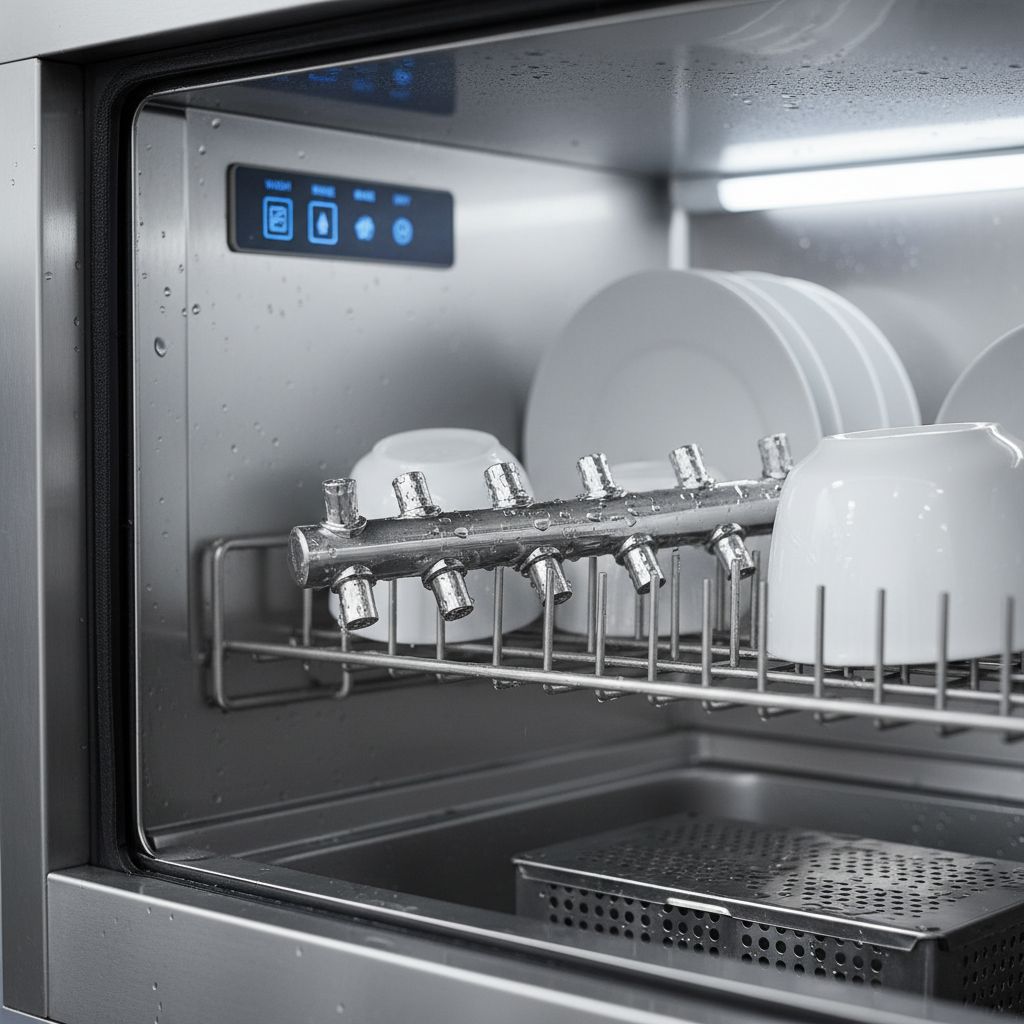
Before making a final choice, carefully review your restaurant's unique operational needs. Consider your budget constraints and local health codes, as these are critical. Thinking about future growth is also wise. For example, anticipate increases in customer volume and any potential menu expansions, as these could impact your dishwashing requirements.
Making an informed decision ensures long-term satisfaction and efficiency. Selecting the right commercial restaurant dishwashers for sale is an investment in your business's future success. Also see our guide to the best commercial refrigerators for 2026.
About This Article
Editorial Disclosure: This article was researched and written by our content team to provide helpful, accurate information about restaurant dishwashers for sale. We regularly review and update our content to reflect the latest industry developments and best practices.
